
The human resources landscape is undergoing its most significant transformation in decades, driven by artificial intelligence, data analytics, and digital platforms that are fundamentally reshaping how organizations discover, evaluate, and retain talent. Traditional recruitment methods—posting job ads, manually screening resumes, conducting endless interview rounds—are giving way to intelligent systems that match candidates with opportunities in hours rather than weeks, predict employee success with remarkable accuracy, and create seamless experiences for both employers and job seekers.
This revolution extends far beyond simply automating administrative tasks. Modern HR innovation encompasses predictive analytics that identify skill gaps before they impact business operations, AI-powered assessment tools that eliminate unconscious bias from hiring decisions, and sophisticated candidate relationship management systems that nurture talent pools over time. Forward-thinking organizations are leveraging these technologies not just to fill positions faster, but to build more diverse, engaged, and high-performing teams.
For job seekers in competitive fields like technology, these innovations mean greater transparency, faster feedback loops, and access to opportunities that align precisely with their skills and career aspirations. For employers, particularly those competing for specialized talent, advanced HR systems provide the competitive edge needed to identify and secure top performers in increasingly tight labor markets. The companies that embrace these innovations today are positioning themselves as employers of choice tomorrow, while those that cling to outdated processes risk falling behind in the race for exceptional talent.
The Evolution of HR: From Paper Files to Intelligent Systems
The journey of human resources from filing cabinets to cloud-based platforms represents one of the most significant workplace transformations of the digital age. Just two decades ago, HR departments operated primarily through physical documents, manual data entry, and time-consuming administrative processes that limited their strategic impact. Today’s HR landscape looks dramatically different, powered by sophisticated technologies that have fundamentally reshaped how organizations attract, evaluate, and retain talent.
The transformation began with basic digitization efforts in the early 2000s, when companies started converting paper records into electronic databases. This initial shift provided easier access to employee information but remained largely administrative in nature. The real revolution accelerated as organizations recognized that HR data could drive strategic decision-making when properly analyzed and applied.
- Early 2000s: Transition from paper files to digital HR management systems
- Mid-2000s: Introduction of applicant tracking systems for recruitment efficiency
- 2010-2015: Cloud-based platforms enabling remote access and collaboration
- 2015-2020: Integration of data analytics for workforce insights and predictive modeling
- 2020-Present: AI-powered tools transforming candidate matching and employee experience
These technological milestones have fundamentally changed what’s possible in human resources. Modern HR systems now leverage artificial intelligence to identify ideal candidates from vast talent pools, predict employee retention risks, and personalize development pathways. Automation handles repetitive tasks like resume screening and interview scheduling, freeing HR professionals to focus on relationship-building and strategic planning.
For organizations in high-tech sectors, this evolution has been particularly transformative. The ability to rapidly process applications, assess technical skills through integrated platforms, and maintain ongoing engagement with passive candidates has become essential for competing in tight talent markets. Success stories abound of companies that have reduced their time-to-hire by 50% or more while simultaneously improving candidate quality through data-driven approaches. This intelligent ecosystem approach represents not just efficiency gains, but a fundamental reimagining of how human capital strategy supports business objectives.

Breaking Down Innovation in Human Resource Systems
Innovation in human resource systems represents a fundamental transformation in how organizations identify, engage, and retain talent. At its core, this innovation goes beyond simply adopting new technologies—it encompasses a holistic reimagining of recruitment processes, workplace culture, and strategic workforce planning.
Modern HR innovation integrates advanced technology platforms with human-centered approaches. This includes leveraging applicant tracking systems that use intelligent matching algorithms, digital communication tools that streamline candidate engagement, and data analytics platforms that provide actionable insights into hiring patterns and workforce trends. These technologies work together to create seamless experiences for both employers and candidates, reducing time-to-hire while improving the quality of matches.
Process optimization forms another critical pillar of HR innovation. Forward-thinking organizations are redesigning traditional recruitment workflows, eliminating bottlenecks, and creating more agile hiring processes. This might involve implementing structured interview frameworks, developing faster feedback loops, or establishing collaborative evaluation methods that engage multiple stakeholders efficiently.
Cultural shifts accompany these technological and process changes. Innovative HR systems foster transparency, emphasize candidate experience, and promote diversity and inclusion as strategic imperatives rather than checkbox exercises. Organizations committed to innovation recognize that attracting top talent requires creating environments where professionals feel valued from their first interaction.
Strategic alignment ties everything together. When HR innovation aligns with broader business objectives, it becomes a competitive advantage. Companies in high-tech sectors particularly benefit from this alignment, as they can quickly adapt to market changes, scale their teams efficiently, and build workforces equipped with the specialized skills needed for continued growth. This comprehensive approach transforms HR from an administrative function into a strategic driver of organizational success.
Game-Changing Technologies Transforming Recruitment
AI-Powered Candidate Matching
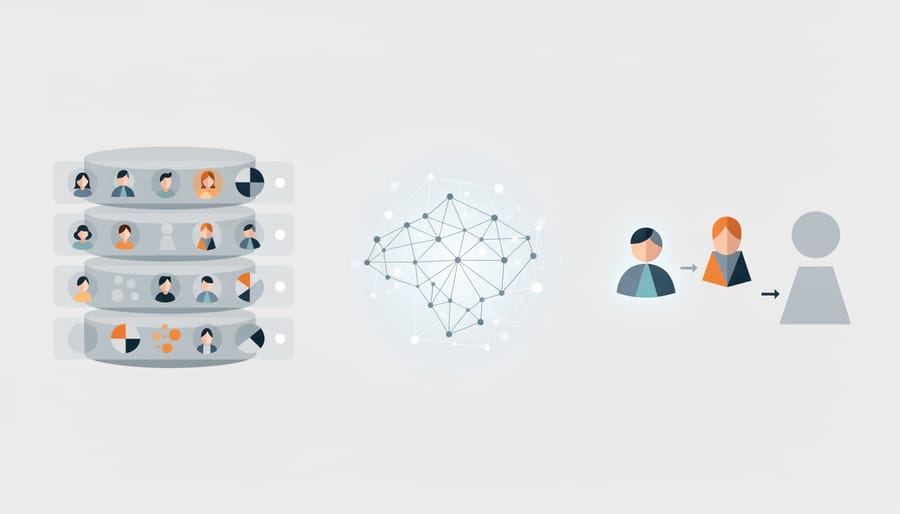
Artificial intelligence has transformed how organizations identify and connect with top talent, fundamentally changing the recruitment landscape. By leveraging sophisticated algorithms and machine learning capabilities, AI-powered matching systems can analyze vast applicant databases in seconds, evaluating countless data points that would take human recruiters weeks to process manually.
These intelligent systems assess not only obvious qualifications like education and work experience, but also nuanced factors such as skill compatibility, cultural fit indicators, career trajectory patterns, and even soft skills derived from application materials and professional profiles. The technology identifies connections between candidate attributes and position requirements that might escape traditional screening methods, uncovering hidden gems in the talent pool.
The benefits extend to both employers and job seekers. Companies experience dramatically reduced time-to-hire, often cutting recruitment cycles by 40-60 percent while simultaneously improving placement quality. This efficiency allows HR teams to focus on relationship-building and strategic initiatives rather than manual resume screening. For candidates, AI matching means their applications receive thorough, unbiased consideration based on actual qualifications rather than being overlooked due to volume or human oversight.
Leading organizations in the tech sector report particularly impressive results, with some achieving 30 percent higher retention rates for AI-matched placements compared to traditional hiring methods. The system’s ability to continuously learn and refine its matching criteria means that accuracy improves over time, creating an increasingly effective recruitment ecosystem that benefits everyone involved in the hiring process.
Predictive Analytics for Workforce Planning
Predictive analytics is revolutionizing workforce planning by transforming how organizations anticipate talent needs and prepare for the future. By analyzing historical hiring patterns, employee performance data, and market trends, HR teams can now forecast staffing requirements months in advance with remarkable accuracy.
This data-driven approach proves particularly valuable in high-tech industries where skill requirements evolve rapidly. Advanced algorithms identify emerging skill gaps before they become critical, allowing companies to proactively develop training programs or initiate targeted recruitment campaigns. For instance, a software company might discover through predictive modeling that they’ll need additional cybersecurity specialists within six months, giving them ample time to build a talent pipeline.
Leading organizations are leveraging predictive analytics to reduce turnover by identifying flight risk indicators and addressing employee concerns preemptively. The technology also helps optimize hiring timelines, predict candidate success rates, and determine competitive compensation packages based on market data.
One tech startup successfully used predictive analytics to anticipate a 40% growth in engineering needs, allowing them to engage qualified candidates early and reduce time-to-hire by three weeks. This forward-thinking strategy ensured seamless project continuity during rapid expansion.
For job seekers, this trend means companies are increasingly looking beyond immediate openings, creating opportunities for those with future-ready skills.
Automated Screening and Assessment Tools
Modern automated screening and assessment tools are revolutionizing how organizations identify top talent in competitive markets. These digital platforms use advanced algorithms and structured evaluation frameworks to analyze resumes, assess candidate qualifications, and predict job performance with remarkable accuracy.
Unlike traditional manual screening that can take days, automated systems process hundreds of applications in minutes while reducing unconscious bias. They evaluate candidates based on objective criteria such as skills, experience, and competency assessments rather than subjective impressions. Many platforms incorporate video interviewing capabilities with AI-powered analysis of responses, body language, and communication skills.
For job seekers, these tools create opportunities to showcase abilities through skills-based assessments and standardized evaluations. Candidates who might have been overlooked in traditional processes now have fair chances to demonstrate their potential. Leading tech companies report that automated screening has increased the diversity of their candidate pools by 30-40% while reducing time-to-hire by half.
However, the human element remains essential. The most effective organizations combine automated efficiency with human judgment, using technology to identify promising candidates while relying on experienced recruiters to make final decisions. This hybrid approach ensures both speed and quality in talent acquisition.
Building a Responsive Applicant Database That Works
A responsive applicant database serves as the foundation of modern talent acquisition, transforming how organizations connect with potential employees. Rather than treating candidates as one-time applications, forward-thinking companies build living ecosystems that nurture relationships and match evolving opportunities with growing talent pools.
The key to effectiveness lies in structured yet flexible data capture. Northern Lights Canada’s approach demonstrates this balance by collecting essential skills, certifications, and experience levels while allowing candidates to update their profiles as they acquire new competencies. This creates a database that reflects real-time market conditions and candidate development, ensuring recruiters access current information when positions open.
Segmentation strategies amplify database value. Organizing candidates by technical specializations, experience tiers, geographic preferences, and availability status enables precise targeting when roles emerge. For high-tech positions requiring niche expertise, this granular categorization reduces time-to-hire dramatically by immediately identifying qualified prospects rather than starting recruitment from scratch.
Regular engagement keeps databases vibrant and responsive. Successful talent pipelines incorporate periodic touchpoints such as industry updates, relevant job alerts, and skill development resources. This maintains candidate interest while providing valuable intelligence about market trends and shifting career aspirations within your talent pool.
Integration capabilities determine long-term sustainability. Databases that connect seamlessly with applicant tracking systems, communication platforms, and analytics tools create streamlined workflows that benefit everyone involved. Northern Lights Canada leverages these connections to provide candidates with personalized opportunities while giving employers access to pre-qualified talent networks.
The measure of database success extends beyond size to relevance and responsiveness. A smaller, well-maintained database of engaged candidates who match your industry focus delivers superior results compared to large, outdated collections. Focus on quality relationships, consistent updates, and strategic alignment with both immediate hiring needs and future workforce planning to build a database that truly works.
The Human Touch: Why Innovation Doesn’t Mean Losing Personalization
The fear that automation will strip away the personal touch in recruitment is understandable, but innovation in HR doesn’t mean replacing human connection—it means amplifying it. Modern HR systems handle time-consuming administrative tasks, freeing recruiters to focus on what truly matters: building meaningful relationships with candidates and employers.
Think of innovative HR technology as a force multiplier for personalization. AI-powered tools can quickly screen hundreds of applications for technical qualifications, but the human recruiter remains essential for assessing cultural fit, understanding career aspirations, and navigating the nuanced conversations that lead to successful long-term placements. When technology handles the heavy lifting of data processing, HR professionals gain more time for one-on-one interviews, career counseling, and relationship building.
Consider how advanced applicant tracking systems can remember candidate preferences, past interactions, and career goals—information that helps recruiters provide increasingly personalized guidance over time. Rather than replacing intuition and empathy, these systems provide context that makes human interactions more informed and relevant.
The most successful innovative HR approaches combine algorithmic efficiency with human insight. Automated matching might identify ten potentially suitable candidates, but an experienced recruiter recognizes which one will thrive in a specific company culture or which employer truly aligns with a candidate’s values.
For job seekers, this balance means faster responses to applications while still receiving personalized career advice. For employers, it translates to efficient screening processes without sacrificing the human judgment that identifies exceptional talent. Innovation enhances personalization by removing obstacles that previously prevented recruiters from dedicating adequate time to each individual relationship.

Success Stories: Innovation in Action
Modern HR innovation isn’t just theoretical—it’s transforming careers and reshaping how companies find exceptional talent. Real-world applications demonstrate the tangible impact of technology-driven recruitment solutions.
Consider a mid-sized cybersecurity firm struggling to fill specialized positions for over six months using traditional methods. By adopting an AI-powered candidate matching system, they reduced their hiring timeline to three weeks while improving candidate quality. The platform analyzed technical certifications, project experience, and cultural fit indicators that manual screening often missed, connecting them with professionals whose skills precisely matched their security architecture needs.
In another case, a software developer with niche expertise in quantum computing algorithms faced limited opportunities through conventional job boards. An innovative HR platform with advanced skill-mapping technology identified her unique qualifications and matched her with a research-focused tech company actively seeking that exact specialization. Within two months, she secured a senior position that aligned perfectly with her career aspirations—an opportunity she wouldn’t have discovered through traditional channels.
A notable telecommunications company leveraged predictive analytics to identify high-potential candidates who might not have conventional credentials but demonstrated the right competencies. This approach expanded their talent pool significantly, bringing in professionals from non-traditional backgrounds who excelled in their roles. Their retention rate increased by 40% compared to traditionally sourced hires.
Healthcare technology startups have also benefited from automated screening tools that evaluate candidates based on problem-solving abilities and adaptability rather than just resume keywords. One startup reduced their cost-per-hire by 60% while simultaneously improving new hire performance metrics.
These success stories share common threads: leveraging data-driven insights, embracing technology that enhances human decision-making, and focusing on genuine skill-opportunity alignment. The results speak clearly—innovative HR systems create win-win scenarios where employers find the right talent faster and job seekers discover opportunities that truly match their capabilities and career goals.
What This Means for Job Seekers and Employers
For Job Seekers: Positioning Yourself in Smart Systems
Understanding how modern HR systems work gives you a competitive advantage in today’s tech-driven job market. Most innovative recruitment platforms use algorithms that scan for specific keywords, skills, and experience patterns, so tailoring your profile to match job descriptions is essential without misrepresenting your qualifications.
Start by ensuring your digital profiles are complete and current across all platforms. Use industry-standard terminology for your skills and certifications, as automated systems often search for exact matches. Quantify your achievements wherever possible—numbers and metrics stand out to both algorithms and human reviewers.
Many smart systems now analyze behavioral indicators and cultural fit through your online presence and assessment responses. Be authentic in your communications while remaining professional. When completing pre-screening questions or skills assessments, take time to provide thoughtful, detailed answers that showcase your problem-solving approach.
To beat applicant tracking systems, mirror the language used in job postings while maintaining your unique voice. Include relevant technical skills, certifications, and software proficiencies in dedicated sections where scanners typically look first.
Remember that while algorithms handle initial screening, humans make final decisions. Your goal is to optimize your profile enough to reach that human review stage, where your personality, passion, and potential truly shine through.
For Employers: Maximizing Your Recruitment ROI
Partnering with innovative HR service providers can dramatically reduce your time-to-hire while improving candidate quality. The key is selecting partners who leverage advanced technology alongside human expertise to understand your specific needs.
Start by evaluating providers who use AI-powered matching algorithms combined with personal consultation. This hybrid approach ensures technology handles high-volume screening efficiently while experienced recruiters assess cultural fit and long-term potential. Look for transparent communication about their methodologies and success metrics.
To maximize ROI, clearly define your hiring criteria upfront. Provide detailed job descriptions, company culture insights, and growth trajectories. The more context you share, the better technology can filter candidates and the more effectively recruiters can represent your opportunity.
Consider providers offering integrated applicant tracking systems that streamline your internal workflows. These platforms should provide real-time updates, candidate analytics, and collaborative tools for your hiring team. Data-driven insights help you refine your recruitment strategy continuously.
Success stories demonstrate the impact: companies partnering with tech-focused HR providers report 40-60% faster hiring cycles and significantly higher retention rates. The investment in innovative recruitment solutions pays dividends through reduced turnover costs and faster project launches with the right talent in place.
Request trial periods or pilot programs to assess compatibility before committing to long-term partnerships.
The Future Landscape: Where HR Innovation Is Heading
The HR landscape is evolving at an unprecedented pace, driven by technological advancement and changing workforce expectations. Organizations that embrace these emerging trends will gain significant competitive advantages in attracting and retaining top talent.
Artificial intelligence and machine learning will continue to revolutionize talent acquisition, moving beyond basic resume screening to predictive analytics that assess cultural fit and long-term potential. These systems will become increasingly sophisticated, identifying passive candidates and forecasting hiring needs based on business growth patterns. Similarly, blockchain technology is poised to transform credential verification, eliminating fraudulent qualifications and streamlining the background check process.
Several key innovations are reshaping the HR horizon:
- Virtual and augmented reality for immersive candidate experiences and remote onboarding
- Advanced people analytics platforms providing real-time workforce insights and retention predictions
- Conversational AI chatbots offering 24/7 candidate engagement and personalized communication
- Skills-based hiring platforms prioritizing competencies over traditional credentials
- Integrated employee experience systems connecting recruitment through retirement
The shift toward skills-based hiring represents a fundamental change in how organizations evaluate talent. Rather than focusing solely on degrees and job titles, forward-thinking companies are prioritizing demonstrable capabilities and potential for growth. This approach opens opportunities for diverse candidates and helps address persistent skills gaps in high-tech industries.
Remote work technologies will continue maturing, enabling seamless collaboration across global teams and expanding talent pools beyond geographic boundaries. HR professionals who stay informed about these developments and implement them strategically will position their organizations as employers of choice, while job seekers who understand these trends can better navigate the evolving recruitment landscape and showcase their value in innovative ways.
The evolution of human resources through innovation represents more than just technological advancement—it’s a fundamental shift in how we connect talent with opportunity. As we’ve explored throughout this discussion, modern HR systems leverage artificial intelligence, data analytics, and streamlined digital platforms to create more efficient, transparent, and equitable hiring processes. These innovations benefit everyone in the employment ecosystem.
For job seekers, especially those pursuing careers in high-tech industries, these advanced systems mean faster responses, better job matching based on actual skills and potential, and access to opportunities that might have otherwise remained hidden. Employers gain the ability to identify top talent more accurately, reduce time-to-hire, and build stronger, more diverse teams through objective, data-driven decision-making.
The key to maximizing these benefits lies in partnering with HR service providers who genuinely understand both the technology and the human element of recruitment. Forward-thinking organizations that invest in innovation while maintaining a personal touch create the strongest connections between candidates and companies. As the employment landscape continues to evolve, those who embrace these changes—whether as job seekers or employers—will find themselves better positioned for success in an increasingly competitive market. The future of work is being shaped today through these innovations.